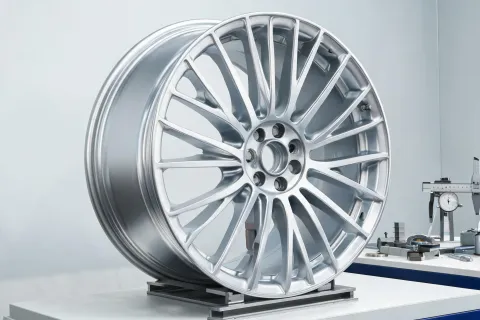
Wheel interface
Check rim diameter, width and approved mounting profile.
Tire engineering
Compare tire size, load index, speed rating and operating conditions before specifying a passenger or commercial tire. Evidence belongs to the product and market being reviewed.
Learn more Download center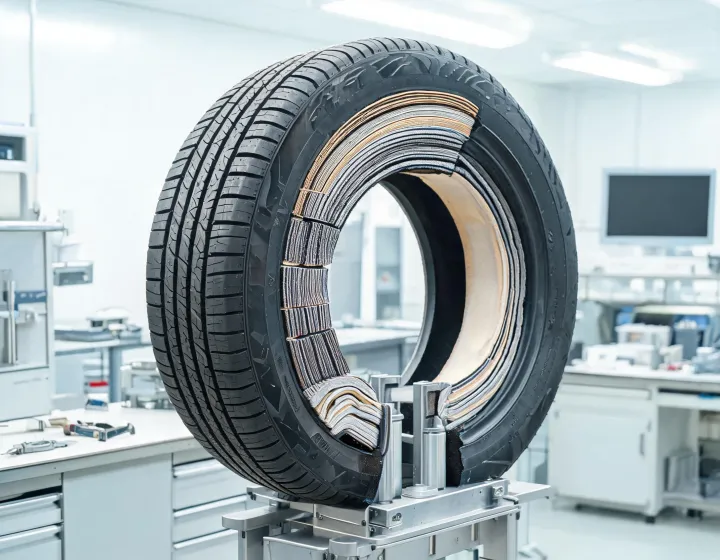
Product families
Tire selection starts with the surrounding vehicle and wheel assembly. Ask about the tire range and the interfaces it must match.
Check rim diameter, width and approved mounting profile.
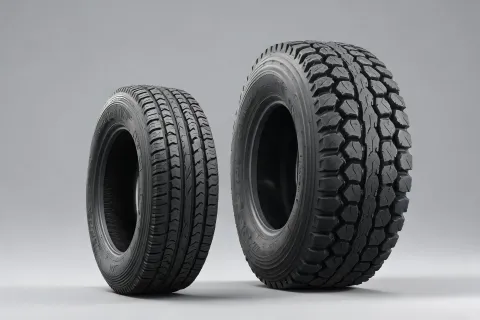
Compare construction, load and speed for the operating duty.
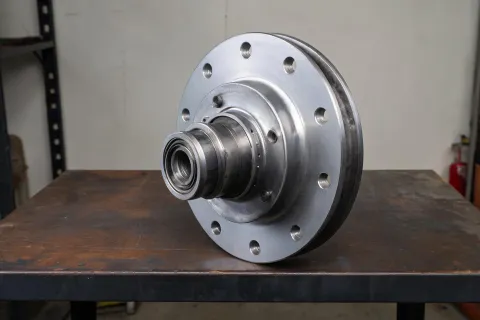
Document the vehicle interface before fitment review.

Consider the complete wheel-end service environment.
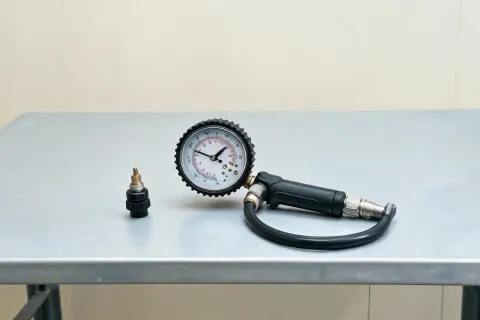
Include valves and pressure monitoring in the inquiry.

Record vehicle, axle position, expected load, speed, climate and road surface. A tire designation alone cannot describe the entire operating envelope.
Define the test method and acceptance criteria for each product family. Compare rolling resistance, wet grip and expected wear within the same stated duty cycle.
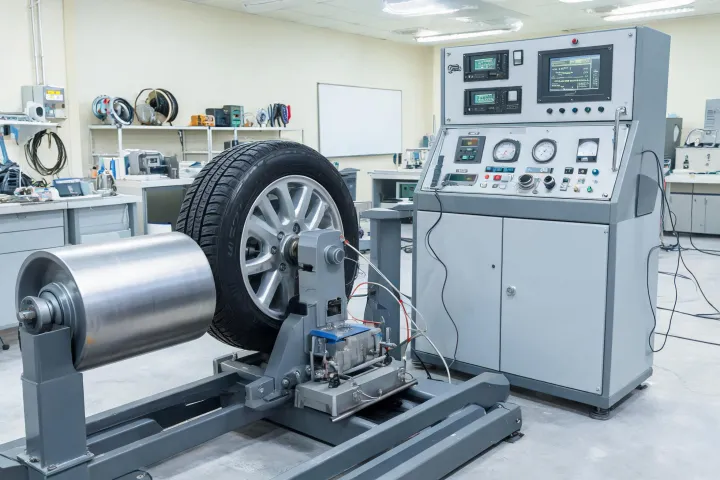
Applicable DOT or FMVSS requirements depend on the tire and destination market. Request the product-specific evidence.
System certificates describe an organizational scope; they do not replace individual product approvals.
Agree on the sample, method and limits before using any result in a specification.
Road conditions, climate and vehicle loading.
Mixed use and load-carrying requirements.
Route, axle position and replacement planning.
Duty cycle and service intervals.
Request current dimensions and load information for a specified tire.
Request dataAsk for applicable mounting and pressure guidance for the selected assembly.
Request guidanceProvide the destination market and product identifier when requesting evidence.
Request evidenceShare your vehicle, tire size and duty cycle for a scoped discussion.